Brief & use case
We define the product relationship, environment, intended service, security level, packaging interface, target quantities and non-negotiable brand requirements.
 Start a project
 A premium object is credible only when its material, data and performance can be reproduced at the required scale.
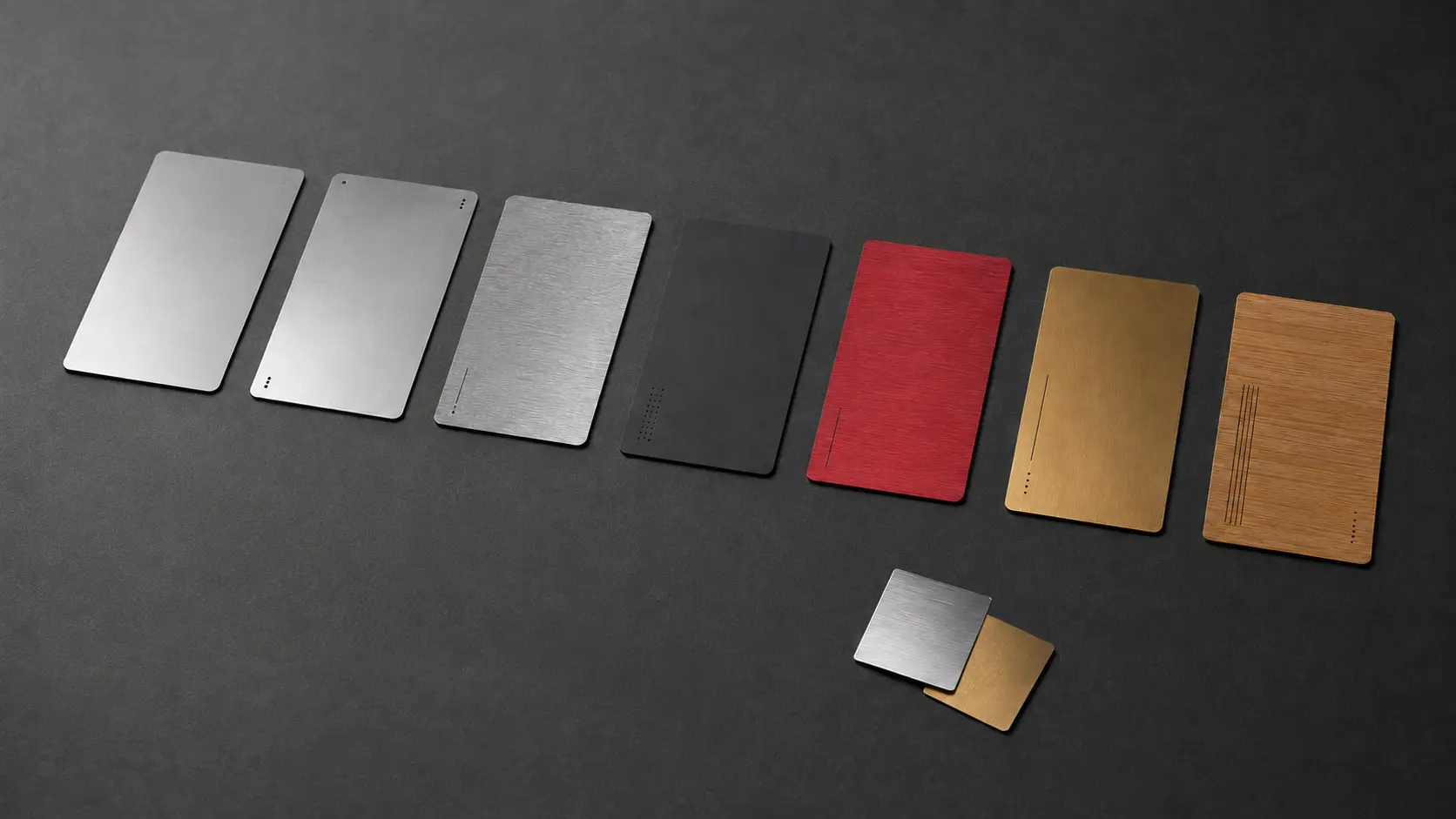
Marked Matter connects industrial design, material development, variable-data management and production. Each stage creates the evidence and approvals required for the next, reducing ambiguity before scale.
We define the product relationship, environment, intended service, security level, packaging interface, target quantities and non-negotiable brand requirements.
Substrate, thickness, geometry, construction, finish, marking and electronic architecture are developed as one manufacturable specification.
Representative samples are used to evaluate appearance, feel, tolerances, durability, code readability and NFC performance where applicable.
Variable data rules, formats, correspondences, files, exception handling and approval responsibilities are defined before serial production.
Processes, tooling, control points, approved references and production documentation are stabilised for repeatable output.
The series is manufactured with visual, dimensional, functional and data checks appropriate to the risk and project specification.
Checks are selected around what can materially affect appearance, function, identity or correspondence. Acceptance criteria are agreed against references and measurable requirements wherever appropriate.
Surface, colour, print, engraving, defects and approved appearance standard
Overall dimensions, thickness, flatness, edge geometry, holes and critical positions
Code readability, NFC response, assembly, fit, adhesion and specified mechanical behaviour
Uniqueness, formatting and correspondence between physical, optical, contactless and production records
Orientation, protection, count, association and presentation according to the agreed delivery method
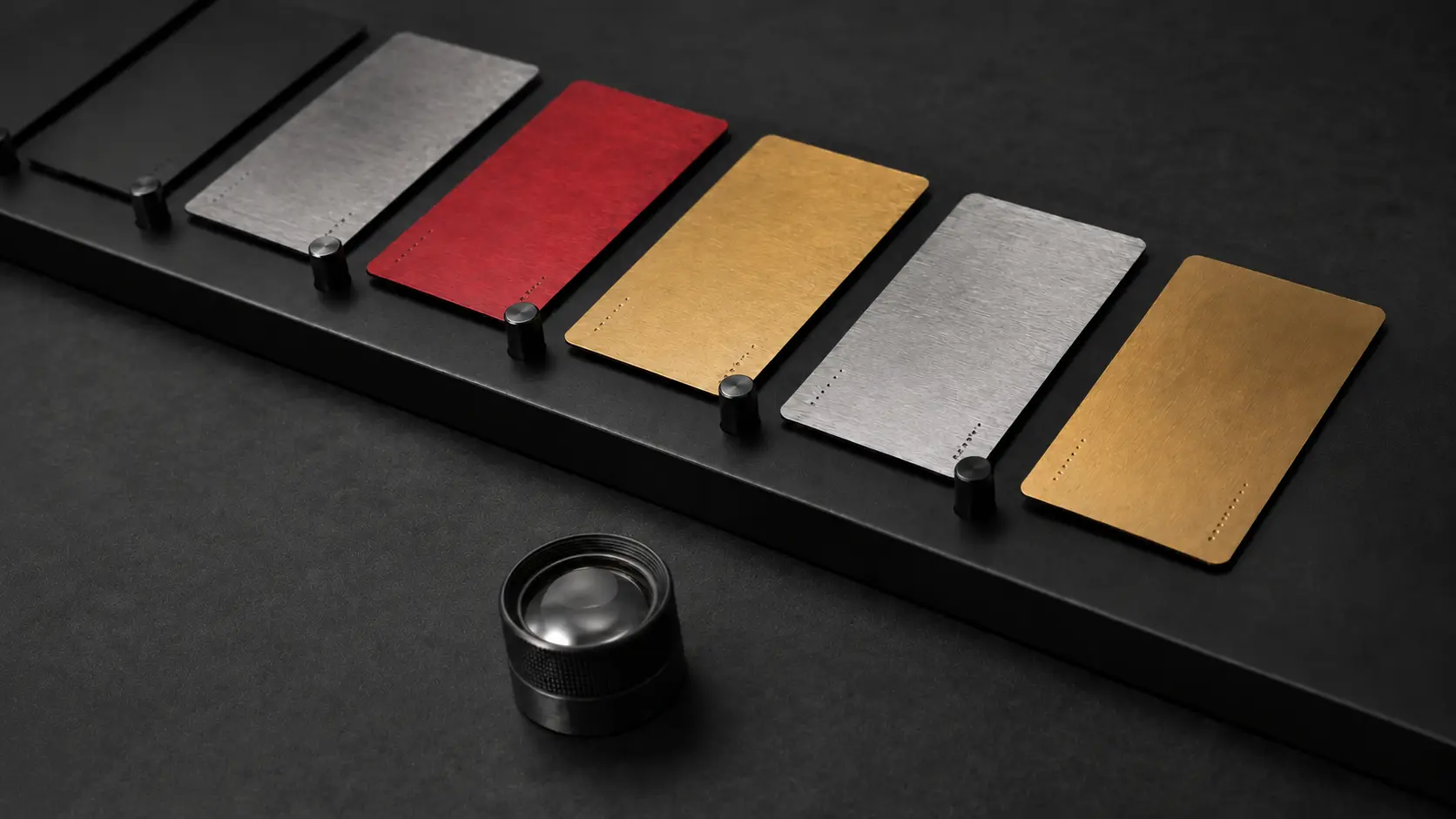
MOQ and timing are established around the real production route. Capacity can scale to demanding programmes, but quantity never replaces qualification: materials, electronics, finishes, variable data and approved references must be stable before ramp-up.
MOQ depends on material, process, tooling, data complexity and the balance between prototyping and serial production. It is defined after technical assessment rather than imposed as one catalogue number.
Timing varies with material sourcing, tooling, finish development, electronics and validation. The project plan separates prototype, approval, industrialisation and production stages.
Yes. The production model can support very high capacities, subject to the approved specification, component availability, data workflow and agreed production planning.
Approved datasets, generation rules and cross-checks are defined around the project. Controls can connect visible serials, QR or Data Matrix, NFC identifiers, product references and production records.
A useful first brief includes intended use, material direction, quantity range, data needs, packaging constraints and target date.